What School Never Taught: 5 Must-Have Life Skills
Welcome back to ThynkRise, where we spill the tea on everything education-related. Today, I’m diving into essential life skills that somehow never made it into our textbooks, yet play a major role in adult success.
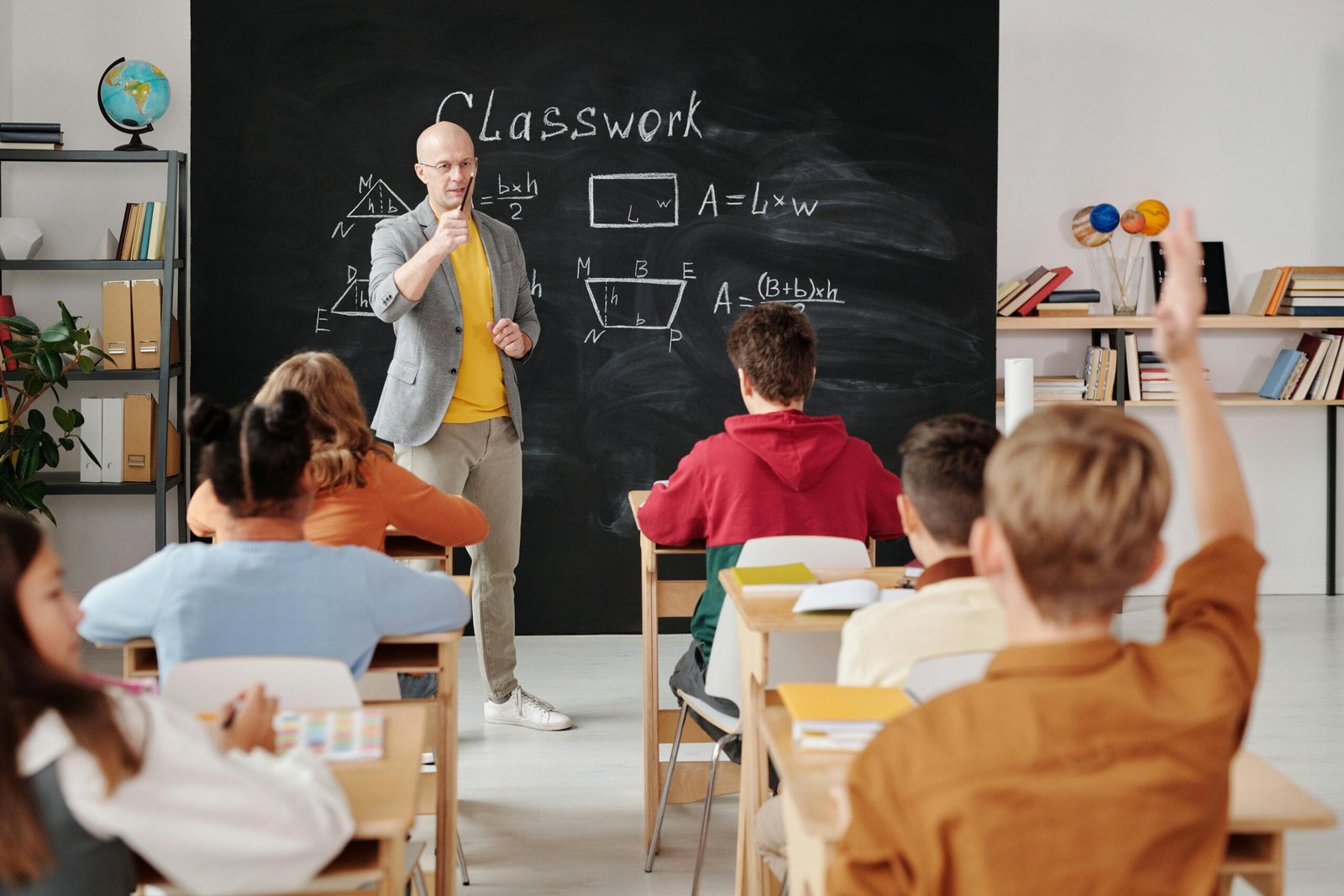
You know that moment when you enter the real world and realize you can build a volcano for science class but have no idea how to file taxes? While schools excel at algebra and history, they often overlook essential life skills we need to thrive.
As a result, millions of adults struggle with financial literacy, emotional regulation, and basic decision-making. Therefore, let’s explore five crucial life skills that schools should teach but often don’t.
1. Financial Literacy: Essential Life Skills for Managing Money
The Reality Check
Most teens rely on families for financial education, while only a small percentage learn about money in school. Unfortunately, a lack of financial knowledge leads to costly mistakes later in life.
What Financial Literacy Actually Covers
Financial literacy, one of the most important essential life skills, includes:
- Budgeting (such as the 50/30/20 rule)
- Credit scores and borrowing
- Investment basics
- Banking fees and accounts
- Tax fundamentals
According to Investopedia, financial literacy directly impacts long-term stability and independence.
Why Schools Miss the Mark
Financial education is often treated as an afterthought. As a result, many students graduate without understanding how to manage money responsibly.
The Real-World Impact
Financially educated students develop habits such as saving, comparing prices, avoiding debt traps, and planning for the future.
2. Emotional Intelligence: A Core Essential Life Skill
What’s the Big Deal?
Schools focus heavily on IQ but often ignore EQ. However, emotional intelligence plays a major role in leadership, career growth, and healthy relationships.
The Four Pillars of Emotional Intelligence
- Self-awareness
- Self-regulation
- Social awareness
- Social skills
The Education Gap
Academic systems prioritize grades and memorization. Consequently, emotional growth, empathy, and communication receive far less attention.
Real-World Applications
Students with strong emotional intelligence demonstrate:
- Better communication
- Stronger leadership potential
- Improved stress management
- Healthier relationships
3. Practical Life Skills: Essential Life Skills for Adulting
The Harsh Reality
Many students struggle with basic daily tasks because schools rarely teach essential life skills like cooking, cleaning, or household management. As a result, adulthood often feels overwhelming.
Essential Practical Skills Every Graduate Should Have
Home Management
- Cleaning and organization
- Laundry basics
- Cooking fundamentals and food safety
- Basic home maintenance
Safety and Survival
- First aid
- Fire safety
- Personal safety awareness
- Digital security and online privacy
Because these core life skills promote independence, they directly improve confidence, health, and self-sufficiency.
The Educational Blind Spot
Traditional curricula often assume parents will teach these skills. However, that assumption is not always realistic, which leaves many students unprepared.
4. Time Management and Productivity: Essential Life Skills for Balance
The Time Crunch Reality
Although people make thousands of decisions daily, students rarely learn structured planning. Consequently, poor time management leads to stress and burnout.
Core Time Management Skills
Planning and Prioritization
- Goal setting using SMART goals
- Understanding urgent versus important tasks
- Scheduling commitments effectively
Productivity Techniques
- Time blocking
- Pomodoro intervals
- Task batching
Over time, these essential life skills improve achievement, decision-making, and work-life balance.
5. Critical Thinking and Problem-Solving: Essential Life Skills for the Future
The Skills Gap Crisis
Employers increasingly report gaps in analytical and reasoning skills. Meanwhile, schools still emphasize memorization over thinking.
What Critical Thinking Really Means
Critical thinking involves analyzing information, evaluating credibility, drawing conclusions, and testing solutions. Therefore, it remains one of the most valuable essential life skills.
The Problem-Solving Process
- Identify the problem
- Define success
- Brainstorm solutions
- Predict outcomes
- Implement and evaluate
According to The World Economic Forum, critical thinking is among the top skills required for future jobs.

Why These Critical Life Skills Got Left Behind
Budget Constraints
When funding tightens, programs focused on emotional and practical learning are often cut first.
Assumptions About Home Learning
Education systems frequently assume families will teach essential life skills. Unfortunately, this is not always the case.
Systemic Educational Focus
Standardized testing prioritizes grades over long-term life capability. As a result, real-world readiness suffers.
The Path Forward: Bridging the Skills Gap
Individual Action Steps to Build Life Skills
- Use online learning resources
- Join learning communities
- Practice skills consistently
- Seek mentors
- Stay adaptable
For structured learning paths, explore our learning resources hub.
Educational Reform Needs
Schools should integrate skill-based education, train teachers appropriately, and partner with families and communities.
The Bottom Line
These are not optional topics. Instead, essential life skills determine confidence, independence, and long-term success.
Education must evolve beyond test preparation. Ultimately, real-world capability building prepares students for life, not just exams.
Which of these skills do you wish you had learned earlier? Share your thoughts and pass this article to someone who might benefit.
Disclaimer: This content is for educational purposes only and reflects general learning insights.